Showing posts with label Week 064. Show all posts

Friday, June 27, 2025

Greek Vocabulary Challenge: June 28

Here are today's vocabulary words; it's Group 177; these are proverbs you have seen before, but with a new vocabulary focus. Click on the word to learn more at Logeion:

ἅπας ~ ἅπαντος  (adj. masc.): all, every 
μέσον ~ μέσου (adj. neut.): middle 
κάλλιστον ~ καλλίστου (adj. neut.): most beautiful, best 
πολέμιον ~ πολεμίου (adj. neut.): hostile, related to war
ἔσχατος ~ ἐσχάτου (adj. masc.): finally, last of all 

These are the proverbs (and there are always more proverbs at the blog):

Ἅπας ἐχῖνος τραχύς.

Ἀκρὸν λάβε, καὶ μέσον ἕξεις. 

Σωφροσύνα, δώρημα κάλλιστον θεῶν.

Πᾶν γὰρ τὸ πολὺ πολέμιον τῇ φύσει.

Πολλοὶ δὲ ἔσονται πρῶτοι ἔσχατοι καὶ ἔσχατοι πρῶτοι.


And now, some commentary:

Ἅπας ἐχῖνος τραχύς.
The whole hedgehog is prickly.
As Erasmus explains, this saying refers to a person who is "prickly" by analogy to the prickly hedgehog. In the same way that there is no un-prickly part of a hedgehog that allows you to safely pick it up, so too there are some people who are impossible to deal with no matter what you try to do: they are completely prickly. The adjective ἅπας is a compound: ἁ-πᾶς, "together-all." That initial alpha is not the alpha-privative, which is very common in Greek. Instead, this is the alpha-copulative, which is much less common, and which is weirdly the opposite of the alpha-privative. You can read more at Wikipedia about both the alpha-privative and alpha-copulative.

Ἀκρὸν λάβε, καὶ μέσον ἕξεις. 
Grab the top, and you'll get the middle.
In other words: it's a good thing to plan big because, even if your plan falls short, you'll still end up with something! Some sources attribute this to the Delphic oracle; find out more at Wikipedia: Delphic maxims. This saying is a good way to remember the future stem of ἔχω: ἕξω (note the rough breathing). You can see the μέσο- root in "Mesopotamia" and "Mesoamerica." 

Σωφροσύνα δώρημα κάλλιστον θεῶν.
Self-control, the fairest gift of the gods.
The words are from Euripides' Medea. This is what the Chorus says, alarmed by the events unfolding in the the drama that result of strong passions aroused by Aphrodite; they prefer the tranquility of σωφροσύνη (σωφροσύνα): self-control, soundness of mind, etc. 

Πᾶν γὰρ τὸ πολὺ πολέμιον τῇ φύσει.
Everything in excess is inimical to nature.
This is from the "Aphorisms" which form part of the Hippocratic Corpus; you can find out more at Wikipedia: Hippocrates. When you remember that φύσει was pronounced with an aspirated p (p-husei), you can see the appeal of this saying with the p sound repeated four times! The word φύσις has an enormous range of meaning as you can see in the LSJ online. You can see the root of the adjective πολέμιον / noun πόλεμος in English "polemic."

Πολλοὶ δὲ ἔσονται πρῶτοι ἔσχατοι καὶ ἔσχατοι πρῶτοι.
Many (who are) first will be last, and last will be first.
This paradoxical pronouncement by Jesus comes from the Gospel of Mark, and it can be found also in Luke, and in Matthew (twice in Matthew, in fact). You can see Greek ἔσχατος in English "eschatology."


And here's a random proverb and a random LOLCat too:


Click here to subscribe/unsubscribe to the email list.


Thursday, June 26, 2025

Greek Reading: 77

Today's stories come from Colson's Stories and Legends: A First Greek Reader which is available at the Internet Archive. 

You'll find the stories below, first in Greek, then segmented, and then interwoven with English; the title is linked to the Internet Archive page.


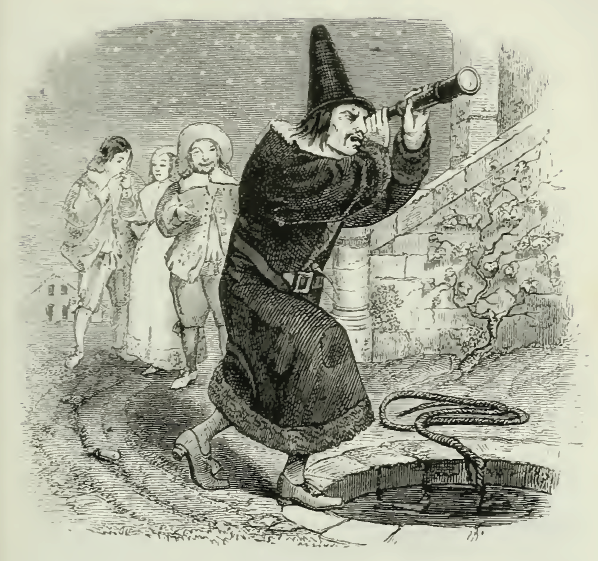
ὁ Πλάτων λέγει ὅτε Θαλῆς ὁ φιλόσοφος ἀστρονομῶν καὶ ἄνω βλέπων ἐς φρέαρ ἔπεσεν. θεράπαινα δέ τις ἰδοῦσα ἔσκωψεν αὐτόν, τοιάδε λέγουσα, “σὺ μὲν φιλόσοφος καλεῖ, ἀληθῶς δὲ μωρὸς εἶ. τὰ μὲν γὰρ ἐν οὐρανῷ θέλεις εἰδέναι, τὰ δὲ παρὰ πόδας σε λανθάνει." 

ὁ Πλάτων λέγει 
ὅτε Θαλῆς ὁ φιλόσοφος 
ἀστρονομῶν καὶ ἄνω βλέπων 
ἐς φρέαρ ἔπεσεν. 
θεράπαινα δέ τις 
ἰδοῦσα ἔσκωψεν αὐτόν, 
τοιάδε λέγουσα, 
σὺ μὲν φιλόσοφος καλεῖ, 
ἀληθῶς δὲ μωρὸς εἶ. 
τὰ μὲν γὰρ ἐν οὐρανῷ θέλεις εἰδέναι, 
τὰ δὲ παρὰ πόδας σε λανθάνει.

ὁ Πλάτων λέγει  ...  Plato says that
ὅτε Θαλῆς ὁ φιλόσοφος  ...  when Thales the philosopher 
ἀστρονομῶν  ...  was studying the stars
καὶ ἄνω βλέπων  ...  and looking up 
ἐς φρέαρ ἔπεσεν  ...  he fell into a well. 
θεράπαινα δέ τις ἰδοῦσα  ...  A female slave saw 
ἔσκωψεν αὐτόν  ...  and mocked him, 
τοιάδε λέγουσα  ...  saying these words: 
σὺ μὲν φιλόσοφος καλεῖ  ...  You call yourself a philosopher, 
ἀληθῶς δὲ μωρὸς εἶ  ...  but in fact you are a fool. 
τὰ μὲν γὰρ θέλεις εἰδέναι  ...  You want to know the things
ἐν οὐρανῷ  ...  in the sky,
τὰ δὲ σε λανθάνει  ...  but you don't even notice the things
παρὰ πόδας  ...  in front of your feet.

(this story appears in Aesop but without the name "Thales")


λύκος ποτὲ ἐν τῷ λαιμῷ ὀστοῦν ἔχων ἐπνίγετο. μεταπεμψάμενος οὖν τὴν γέρανον, μακρὸν γὰρ τὸν τράχηλον ἔχει ἡ γέρανος, ᾔτησε τὸ ὀστοῦν ἐξαιρεῖν. ἔφη δέ, ἐὰν τοῦτο ποιήσῃ, μισθὸν καλὸν δώσειν. ἡ οὖν γέρανος ἐξεῖλε τὸ ὀστοῦν, εἶτα τὸν μισθὸν ᾔτησε. ὁ δὲ λύκος γελάσας εἶπεν, "ἀχάριστος εἶ, ὦ φίλη· καλὸν γὰρ μισθὸν ἤδη σοι δέδωκα. ἔχων γὰρ τὴν κεφαλὴν ἐν τῷ στόματι, εἴασά σε ὅμως ζῶσαν ἀπιέναι."

λύκος ποτὲ 
ἐν τῷ λαιμῷ 
ὀστοῦν ἔχων 
ἐπνίγετο. 
μεταπεμψάμενος οὖν τὴν γέρανον, 
μακρὸν γὰρ τὸν τράχηλον 
ἔχει ἡ γέρανος, 
ᾔτησε τὸ ὀστοῦν ἐξαιρεῖν. 
ἔφη δέ, 
ἐὰν τοῦτο ποιήσῃ, 
μισθὸν καλὸν δώσειν. 
ἡ οὖν γέρανος 
ἐξεῖλε τὸ ὀστοῦν, 
εἶτα τὸν μισθὸν ᾔτησε. 
ὁ δὲ λύκος γελάσας 
εἶπεν, 
ἀχάριστος εἶ, ὦ φίλη· 
καλὸν γὰρ μισθὸν 
ἤδη σοι δέδωκα. 
ἔχων γὰρ τὴν κεφαλὴν 
ἐν τῷ στόματι, 
εἴασά σε ὅμως 
ζῶσαν ἀπιέναι."

λύκος ποτὲ  ...  A wolf once
ὀστοῦν ἔχων  ...  had a bone
ἐν τῷ λαιμῷ  ...  in his throat 
ἐπνίγετο  ...  and was choking.
μεταπεμψάμενος οὖν  ...  So he sent for 
τὴν γέρανον  ...  the crane,
ἔχει γὰρ ἡ γέρανος  ...  since the crane has 
μακρὸν τὸν τράχηλον  ...  a long neck,
ᾔτησε  ... and asked her
τὸ ὀστοῦν ἐξαιρεῖν  ...  to take out the bone. 
ἔφη δέ  ...  The wolf said, 
ἐὰν τοῦτο ποιήσῃ  ...  that if she did this, 
μισθὸν καλὸν δώσειν  ...  he would offer a fine reward. 
ἡ οὖν γέρανος  ...  So the crane 
ἐξεῖλε τὸ ὀστοῦν  ...  took out the bone, 
εἶτα τὸν μισθὸν ᾔτησε  ...  and then asked for her reward. 
ὁ δὲ λύκος γελάσας  ...  The wolf laughed 
εἶπεν  ...  and said, 
ἀχάριστος εἶ, ὦ φίλη  ...  You are ungrateful, my dear!
ἤδη γὰρ σοι δέδωκα  ...  for I already gave you 
καλὸν μισθὸν  ...  a fine reward:
ἔχων γὰρ τὴν κεφαλὴν  ...  for you had your head 
ἐν τῷ στόματι  ...  in my mouth,
εἴασά σε ὅμως  ...  and I nevertheless allowed you
ζῶσαν ἀπιέναι  ...  to depart while still alive.

And here's a random proverb and a random LOLCat too:


Click here to subscribe/unsubscribe to the email list.


Wednesday, June 25, 2025

Greek Crossword 34-35-36

Here is the review for proverbs 34-35-36 with the crossword puzzle! You can click on those group links to review those posts and/or click on the linked sayings below for the post with that specific saying:
Here are the sayings without spaces: see if you can find the word breaks! (I'm just doing the shorter ones because the long ones just keep running over longer than the line.)

Β ο u ν ε π ι γ λ ω τ τ η ς.

Χ α ι ρ ε φ ι λ ο ν φ ω ς.

Π η γ α σ ο υ τ α χ υ τ ε ρ ο ς.

Α φ ι π π ω ν ε π ο ν ο ν.

Ε ν λ ι μ ε ν ι ν α υ α γ ε ι ν.

Κ ο ι ν α τ α τ ω ν φ ι λ ω ν.

Π α τ ρ ο κ λ ο σ π ρ ο φ α σ ι ς.

Π ο τ α μ ο σ θ α λ α σ σ α ν ε ρ ι ζ ε ι.

Α λ ι ε υ σ π λ η γ ε ι σ ν ο υ ν ο ι σ ε ι .

Α ρ χ η τ η σ σ ο φ ι α σ η π α ι δ ε ι α.


And here's the crossword puzzle based on a missing word from each proverb: printable Crossword PDF. I've pasted in screenshots below so you can see what the crossword looks like:

And here's a random proverb and a random LOLCat too :


Click here to subscribe/unsubscribe to the email list.


Tuesday, June 24, 2025

Greek Reading: 76

Today's stories come from Colson's Stories and Legends: A First Greek Reader which is available at the Internet Archive. You'll find the stories below, first in Greek, then segmented, and then interwoven with English; the title is linked to the Internet Archive page.


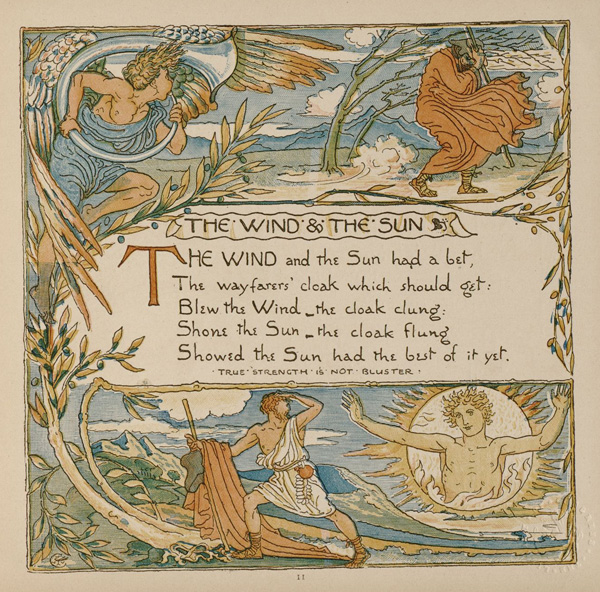
Ὁ Βορέας ποτὲ καὶ ὁ ἤλιος ἤριζον, ὁπότερός ἐστι κρείσσων. Ἰδὼν δὲ ἄνθρωπον ἱμάτιον ἔχοντα, ἔφη ὁ ἤλιος. “τί μάτην διαλεγόμεθα; ὁρᾷς δήπου ἐκεῖνον τὸν ἄνδρα· ὁπότερος ἄν οὖν ὑμῶν δύνηται ἀποδῦσαι τὸ ἱμάτιον τοῦ ανθρώπου, οὗτος νικάτω.” ὁ δὲ ἕτερος ἐπὶ τούτοις ὡμολόγησε. Πρῶτον μὲν οὖν πεῖραν ἐποιεῖτο ὁ Βορέας. Καὶ παντὶ μὲν τῷ σθένει ἐνέπνευσε, ὁ δὲ ἀνὴρ πολὺ μάλλον ἑαυτὸν τῷ ἱματίῳ ἐκάλυπτε. Παυσαμένου δὲ του Βορέου, ὁ ἥλιος ἐξῆλθεν. Ὁ δὲ ἀνήρ, θερμὸς γενόμενος, τὸ ἱμάτιον ἀπέρριψε.  

Ὁ Βορέας ποτὲ 
καὶ ὁ ἤλιος 
ἤριζον 
ὁπότερός ἐστι κρείσσων. 
Ἰδὼν δὲ ἄνθρωπον 
ἱμάτιον ἔχοντα, 
ἔφη ὁ ἤλιος,
τί μάτην διαλεγόμεθα; 
ὁρᾷς δήπου 
ἐκεῖνον τὸν ἄνδρα —
ὁπότερος ἄν οὖν ὑμῶν 
δύνηται ἀποδῦσαι 
τὸ ἱμάτιον τοῦ ανθρώπου, 
οὗτος νικάτω.
ὁ δὲ ἕτερος 
ἐπὶ τούτοις ὡμολόγησε. 
Πρῶτον μὲν οὖν 
πεῖραν ἐποιεῖτο ὁ Βορέας. 
Καὶ παντὶ μὲν τῷ σθένει 
ἐνέπνευσε, 
ὁ δὲ ἀνὴρ 
πολὺ μάλλον 
ἑαυτὸν τῷ ἱματίῳ ἐκάλυπτε. 
Παυσαμένου δὲ του Βορέου, 
ὁ ἥλιος ἐξῆλθεν. 
Ὁ δὲ ἀνήρ, 
θερμὸς γενόμενος, 
τὸ ἱμάτιον ἀπέρριψε.  

Ὁ Βορέας ποτὲ  ...  Once the North Wind 
καὶ ὁ ἤλιος ἤριζον  ...  and the Sun quarreled
ὁπότερός ἐστι κρείσσων  ...  about who was stronger. 
Ἰδὼν δὲ ἄνθρωπον  ...  Seeing a man 
ἱμάτιον ἔχοντα  ...  who had a cloak, 
ἔφη ὁ ἤλιος  ...  the Sun said:
τί μάτην διαλεγόμεθα  ...  Why this useless arguing? 
ὁρᾷς δήπου  ...  I suppose you see
ἐκεῖνον τὸν ἄνδρα  ...  that man —
ὁπότερος ἄν οὖν ὑμῶν  ...  whichever one of us 
δύνηται ἀποδῦσαι  ...  can strip off 
τὸ ἱμάτιον τοῦ ανθρώπου  ...  the man's cloak, 
οὗτος νικάτω  ...  let him be the winner!
ὁ δὲ ἕτερος  ...  And the other 
ἐπὶ τούτοις ὡμολόγησε  ...  agreed to this. 
Πρῶτον μὲν οὖν ὁ Βορέας  ...  So first the North Wind
πεῖραν ἐποιεῖτο  ...  made his attempt. 
Καὶ παντὶ μὲν τῷ σθένει  ...  And with all his might 
ἐνέπνευσε  ...  he blew! 
ὁ δὲ ἀνὴρ  ...  But the man 
ἑαυτὸν τῷ ἱματίῳ ἐκάλυπτε  ...  wrapped himself in the cloak
πολὺ μάλλον  ...  all the more tightly.
Παυσαμένου δὲ του Βορέου  ...  When the Wind ceased, 
ὁ ἥλιος ἐξῆλθεν  ...  the Sun came out. 
Ὁ δὲ ἀνήρ  ...  The man, 
θερμὸς γενόμενος  ...  becoming warm, 
τὸ ἱμάτιον ἀπέρριψε  ...  threw off his cloak.  


οἱ Αἰγύπτιοι ἐν τοῖς συμποσίοις τόδε ποιοῦσι. ἀνὴρ νεκρὸν περιφέρει ἐκ ξύλου πεποιημένον. δεικνὺς δὲ ἑκάστῳ τῶν συμποτῶν λέγει, "ὦ φίλε, ὅρα τοῦτον, ἔπειτα πῖνε καὶ τέρπου. ἀποθανὼν γὰρ καὶ σὺ τοιοῦτος ἔσει."

οἱ Αἰγύπτιοι 
ἐν τοῖς συμποσίοις τόδε ποιοῦσι
ἀνὴρ 
νεκρὸν περιφέρει 
ἐκ ξύλου πεποιημένον. 
δεικνὺς δὲ ἑκάστῳ τῶν συμποτῶν 
λέγει, 
ὦ φίλε, ὅρα τοῦτον, 
ἔπειτα πῖνε καὶ τέρπου. 
ἀποθανὼν γὰρ καὶ σὺ τοιοῦτος ἔσει.

οἱ Αἰγύπτιοι  ...  The Egyptians
ἐν τοῖς συμποσίοις  ...  in their banquets
τόδε ποιοῦσι  ...  did this:
ἀνὴρ  ...  a man
νεκρὸν περιφέρει  ...  carried around a dead man 
ἐκ ξύλου πεποιημένον  ...  made out of wood.
δεικνὺς δὲ  ...  He showed it
ἑκάστῳ τῶν συμποτῶν  ...  to each of the banqueters 
λέγει  ...  and said, 
ὦ φίλε, ὅρα τοῦτον  ...  O friend, look at this, 
ἔπειτα πῖνε καὶ τέρπου  ...  then drink and enjoy yourself,
ἀποθανὼν γὰρ  ...  for you're going to die 
καὶ σὺ τοιοῦτος ἔσει  ...  and you too will be like this man.

(if you are curious, this anecdote comes from Plutarch's Isis and Osiris)

And here's a random proverb and a random LOLCat too:


Click here to subscribe/unsubscribe to the email list.


Monday, June 23, 2025

Greek Vocabulary Challenge: June 24

Here are today's vocabulary words; it's Group 176. Click on the word to learn more at Logeion:

διώκω ~ διώξω ~ ἐδίωξα: chase, pursue 
γιγνώσκω ~ γνώσομαι ~ ἔγνων: know 
φροντίζω ~ φροντιέω ~ ἑφρόντισα: consider, regard 
ἡγέομαι ~ ἡγήσομαι ~ ἡγησάμην: lead, rule; believe 
πίπτω ~ πεσοῦμαι ~ ἔπεσον: fall, fall down 

These are the proverbs (and there are always more proverbs at the blog):

Ὁμόνοιαν δίωκε.

Ῥεχθὲν δέ τε νήπιος ἔγνω.

Ξενίας ἀεὶ φρόντιζε, μὴ καθυστέρει.

Ἅπαντας ἐχθροὺς τῶν Θεῶν ἡγοῦ πλέον.

Τὸν καπνὸν φεύγων εἰς τὸ πῦρ ἔπεσον.

And now, some commentary:

Ὁμόνοιαν δίωκε.
Pursue oneness-of-mind.
You could also translate this Greek compound ὁμό-νοια as "unanimity," un-anim-ity, or "concord," con-cord. This is another one of those Delphic maxims recorded by Stobaeus.

Ῥεχθὲν δέ τε νήπιος ἔγνω.
When something is done, even a fool knows it.
This saying appears already in Homer's Iliad: Menelaus is protecting Patroclus's fallen body, and he uses these words to rebuke the Trojan Euphorbus, but Euphorbus does not retreat, and Menelaus kills him. Plato also includes this saying in the Symposium, labeling it a παροιμία, a proverb. The idea is that a wise man can anticipate trouble in advance and avoid it, but the fool rushes in, recognizing the danger only after it has befallen him, Euphorbus being one such fool.

Ξενίας ἀεὶ φρόντιζε, μὴ καθυστέρει.
Always have regard for hospitality; don't be slow to offer.
This is one of the monostichs of Menander, so it's in iambic meter:
Ξενίας | ἀεὶ || φρόντι|ζε, μὴ || καθυ|στέρει.

Ἅπαντας ἐχθροὺς τῶν Θεῶν ἡγοῦ πλέον.
Rather consider all men to be enemies rather than the gods.
The words come from Aeschylus's The Libation Bearers; Pylades is speaking to Orestes, trying to persuade him that divine oracles must be obeyed, no matter what, even if — as in Orestes' case — the gods demand that he murder his own mother, showing her no pity.

Τὸν καπνὸν φεύγων εἰς τὸ πῦρ ἔπεσον.
Fleeing the smoke, I fell into the fire.
You've seen a saying like this before (earlier post): Εἰς τὸ πῦρ ἐκ τοῦ κάπνου. Compare the English saying, "Out of the frying pan, into the fire."

And here's a random proverb and a random LOLCat too:


Click here to subscribe/unsubscribe to the email list.


Sunday, June 22, 2025

Greek Reading: 75

Today's stories come from Colson's Stories and Legends: A First Greek Reader which is available at the Internet Archive. You'll find the stories below, first in Greek, then segmented, and then interwoven with English; the title is linked to the Internet Archive page.

They are both stories about eagles: one is from Aesop, and the other is an ancient anecdote about Aeschylus.


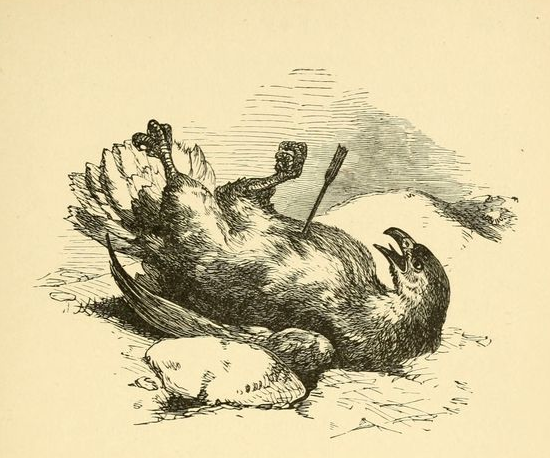
τοξότης ποτὲ ἀετὸν ἐτόξευσεν. ὁ δὲ ἀετός, κείμενος ἐπὶ τῇ γῇ, πολὺ ἤλγει· θεασάμενος δὲ τὸν οἰστόν, ὁρᾷ τὰ ἑαυτοῦ πτερὰ ἔποντα αὐτῷ· τοῦτο δὲ ἰδὼν μᾶλλον ἤλγησεν. λυπηρὸν γάρ, ἔφη, ἀποθανεῖν, λυπηρότερον δὲ ὑπὸ ἐμαυτοῦ ἀπολέσθαι.

τοξότης ποτὲ 
ἀετὸν ἐτόξευσεν. 
ὁ δὲ ἀετός, 
κείμενος ἐπὶ τῇ γῇ, 
πολὺ ἤλγει· 
θεασάμενος δὲ 
τὸν οἰστόν, 
ὁρᾷ τὰ ἑαυτοῦ πτερὰ 
ἔποντα αὐτῷ· 
τοῦτο δὲ ἰδὼν 
μᾶλλον ἤλγησεν. 
λυπηρὸν γάρ, ἔφη, 
ἀποθανεῖν, 
λυπηρότερον δὲ 
ὑπὸ ἐμαυτοῦ ἀπολέσθαι.

τοξότης ποτὲ  ...  An archer once
ἀετὸν ἐτόξευσεν  ...  shot an eagle. 
ὁ δὲ ἀετός  ...  The eagle, 
κείμενος ἐπὶ τῇ γῇ  ...  lying on the ground, 
πολὺ ἤλγει  ...  was in great pain, 
θεασάμενος δὲ  ...  and when he looked at  
τὸν οἰστόν  ...  the arrow, 
ὁρᾷ τὰ ἑαυτοῦ πτερὰ  ...  he saw his own feathers 
ἔποντα αὐτῷ  ...  upon the arrow. 
τοῦτο δὲ ἰδὼν  ...  Seeing this 
μᾶλλον ἤλγησεν  ...  he felt even worse 
ἔφη  ...  and said
λυπηρὸν γάρ  ...  It is painful, 
ἀποθανεῖν  ...  to die, 
λυπηρότερον δὲ  ...  and more painful
ἀπολέσθαι  ...  to be killed
ὑπὸ ἐμαυτοῦ  ... by my own.


Αἰσχύλος ὁ ποιητὴς γέρων γενόμενος, φαλακρὸς ἦν τὴν κεφαλήν. ἐπεὶ δέ ποτε ἐν ἀγρῷ περιεπάτει, ἐπέτετετο ὑπὲρ αὐτοῦ ἀετός, χελώνην ἔχων ἐν ταῖς χερσίν. καὶ ὁ ἀετός, θέλων ἐσθίειν τὴν χελώνην, οὐκ ἐδύνατο διὰ τὸ δέρμα. ἰδὼν δὲ τὴν κεφαλὴν τοῦ Αἰσχύλου λευκὴν οὖσαν, ἐνόμιζε λίθον εἶναι. κατέβαλεν οὖν τὴν χελώμην, βουλόμενος ἐπὶ τῷ λίθῳ ῥηγνύσαι τὸ δέρμα. ἡ δὲ χελώμη ἐπιπεσοῦσα τῇ κεφαλῇ τοῦ ἀνδρὸς ἀπέκτεινεν αὐτόν.

Αἰσχύλος ὁ ποιητὴς 
γέρων γενόμενος, 
φαλακρὸς ἦν τὴν κεφαλήν. 
ἐπεὶ δέ ποτε 
ἐν ἀγρῷ περιεπάτει, 
ἐπέτετετο ὑπὲρ αὐτοῦ ἀετός, 
χελώνην ἔχων 
ἐν ταῖς χερσίν. 
καὶ ὁ ἀετός, 
θέλων ἐσθίειν τὴν χελώνην, 
οὐκ ἐδύνατο 
διὰ τὸ δέρμα. 
ἰδὼν δὲ 
τὴν κεφαλὴν τοῦ Αἰσχύλου 
λευκὴν οὖσαν, 
ἐνόμιζε λίθον εἶναι. 
κατέβαλεν οὖν τὴν χελώμην, 
βουλόμενος 
ἐπὶ τῷ λίθῳ 
ῥηγνύσαι τὸ δέρμα. 
ἡ δὲ χελώμη 
ἐπιπεσοῦσα τῇ κεφαλῇ 
τοῦ ἀνδρὸς 
ἀπέκτεινεν αὐτόν.

Αἰσχύλος ὁ ποιητὴς  ...  Aeschylus the poet 
γέρων γενόμενος  ...  having grown old, 
φαλακρὸς ἦν τὴν κεφαλήν  ...  was bald-headed. 
ἐπεὶ δέ ποτε περιεπάτει  ...  Once he went walking
ἐν ἀγρῷ  ...  in a field, 
ἀετός  ...  an eagle
ἐπέτετετο ὑπὲρ αὐτοῦ  ...  flew over him, 
χελώνην ἔχων  ...  holding a turtle 
ἐν ταῖς χερσίν  ...  in his talons. 
καὶ ὁ ἀετός, θέλων   ...  And the eagle, wanting
ἐσθίειν τὴν χελώνην  ...  to eat the turtle, 
οὐκ ἐδύνατο  ...  was not able to do so 
διὰ τὸ δέρμα  ...  on account of the shell. 
ἰδὼν δὲ  ...  And seeing 
τὴν κεφαλὴν τοῦ Αἰσχύλου  ...  Aeschylus's head 
λευκὴν οὖσαν  ...  which was white, 
ἐνόμιζε λίθον εἶναι  ...  he thought it was a rock. 
κατέβαλεν οὖν  ...  So he dropped
τὴν χελώμην  ...  the turtle, 
βουλόμενος  ...  planning 
ῥηγνύσαι τὸ δέρμα  ...  to shatter the shell
ἐπὶ τῷ λίθῳ  ...  on the rock. 
ἡ δὲ χελώμη  ...  The turtle 
ἐπιπεσοῦσα τῇ κεφαλῇ  ...  fell on the head 
τοῦ ἀνδρὸς  ...  of the man
ἀπέκτεινεν αὐτόν  ...  and killed him.


Click here to subscribe/unsubscribe to the email list.