Showing posts with label Week 039. Show all posts

Friday, January 3, 2025

Daily Greek Vocabulary Challenge: Jan. 4

Here are today's vocabulary words; it's Group 132. Click on the word to learn more at Logeion:

μέλλω ~ μελλήσω ~ ἐμέλλησα: be about to, be fated 
θαυμάζω ~ θαυμάσω ~ ἐθαύμασα: wonder at, admire 
τίκτω ~ τέξω ~ ἔτεκον: bear, breed 
ἄρχω ~ ἄρξω ~ ἦρξα: begin; rule 
τεύχω ~ τεύξω ~ ἔτευξα: make, build 

These are the proverbs (and there are always more proverbs at the blog):

Ὅρα τὸ μέλλον.

Χρησμοὺς θαύμαζε.

῾Ηδονὴν φεῦγε, ἥτις λύπην τίκτει. 

Ἄρχεσθαι μαθὼν ἄρχειν ἐπιστήσῃ.

Διὸς ἵμερος οὐκ εὐθήρατος ἐτύχθη.


And now, some commentary:

Ὅρα τὸ μέλλον.
See the future.
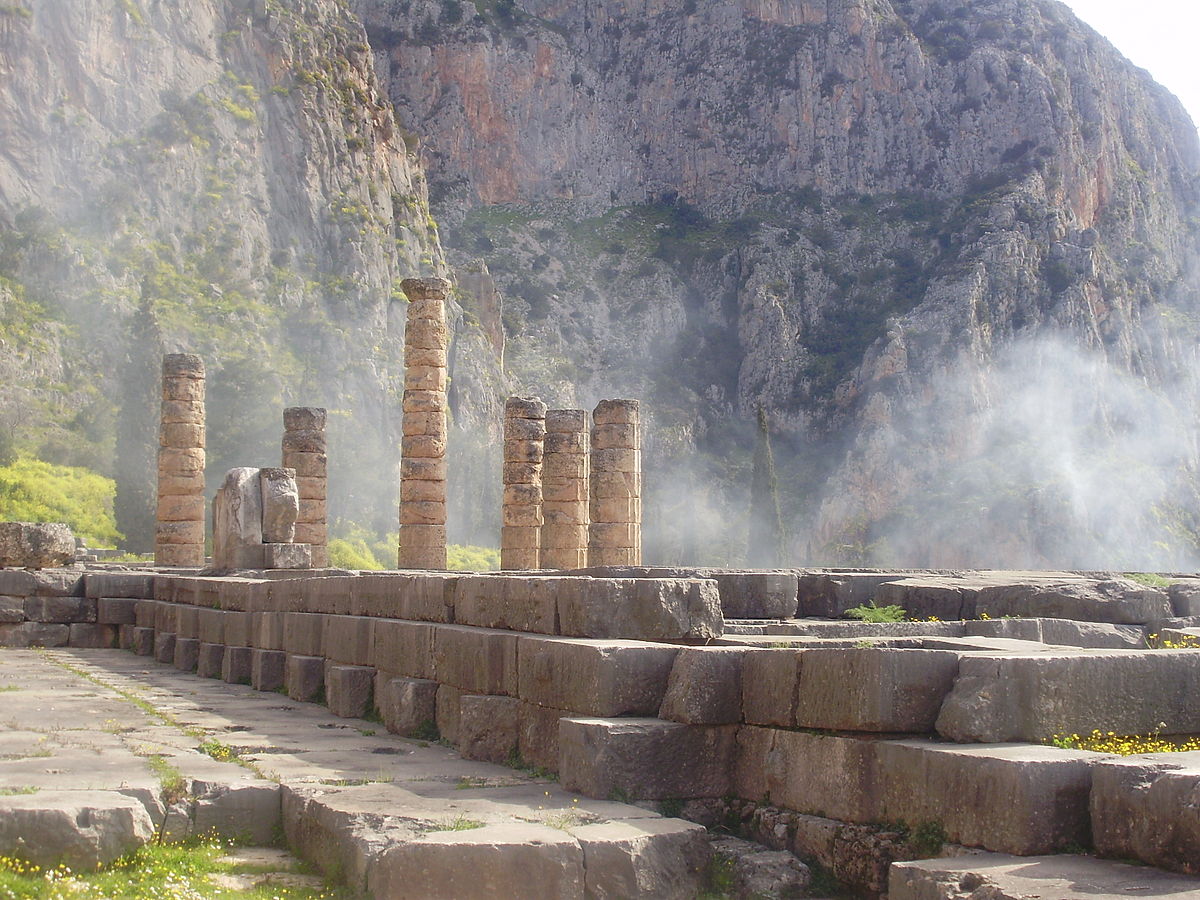
The verb μέλλω means "about to happen," so the participle, τὸ μέλλον, means that which is about to happen, the future, or destiny. This is one of the so-called Delphic maxims recorded by Stobaeus.

Χρησμοὺς θαύμαζε.
Be amazed at oracles.
Greek χρησμός refers to the oracle itself and also to the response provided by the oracle. It is from the verb χράω, which originally referred to the consultation of oracles and which later came to have the more general meaning of "use, have, possess." The noun χρησμός can remind you of the verb's original menaing. From the root in Greek θαύμ- we get English "thaumaturgy." For more about Greek oracles, see Wikipedia: Oracle.

῾Ηδονὴν φεῦγε, ἥτις λύπην τίκτει. 
Flee any pleasure which produces grief.
This is another saying attributed to Solon.
The pronoun ἥτις gives the sense of "whichever, whoever," so that's why I said "any pleasure" in the translation, shifting that sense of "whatever" to the noun instead of the pronoun. From Greek ἡδονή we get English "hedonism."

Ἄρχεσθαι μαθὼν ἄρχειν ἐπιστήσῃ.
Having learned to obey, you will know how to command.
This is a sentence attributed to Solon. You can see the active infinitive, ἄρχειν, "to rule, command," along with the passive ἄρχεσθαι, "to be ruled, commanded" that is "to obey." The basic meaning of ἄρχ- is to be first, both in the sense of "original" (as in English "archaic"), but also first in the sense of "superior," which is how the verb comes to refer to being in command over others, as in "archangel" or "archbishop."

Διὸς ἵμερος οὐκ εὐθήρατος ἐτύχθη.
The desire of Zeus is not easy to catch.
The line is from Aeschylus's Suppliant Women. The verb τεύχω means "make, build," but in the passive, as here, it is another verb of being, in the sense of something that is created, brought into being. The adjective εὐθήρατος is a compound: εὐ-θήρατος, from the root θήρ, meaning a wild beast, a beast of prey, which you can see in English "theriomorphic." The sense of "catch" here is metaphorical, like English "grasp," as when you can grasp a concept or idea, when you "get it."


And here's a random proverb and a random LOLCat too :


Click here to subscribe/unsubscribe to the email list.


Thursday, January 2, 2025

Greek Reading: Fables 3

Today's stories are from Anthon's Greek Reader, available at the Internet Archive. There are notes at the bottom of the pages, so use the story links to access those notes.

Here are the stories, presented in Greek, segmented, and then interwoven with English.


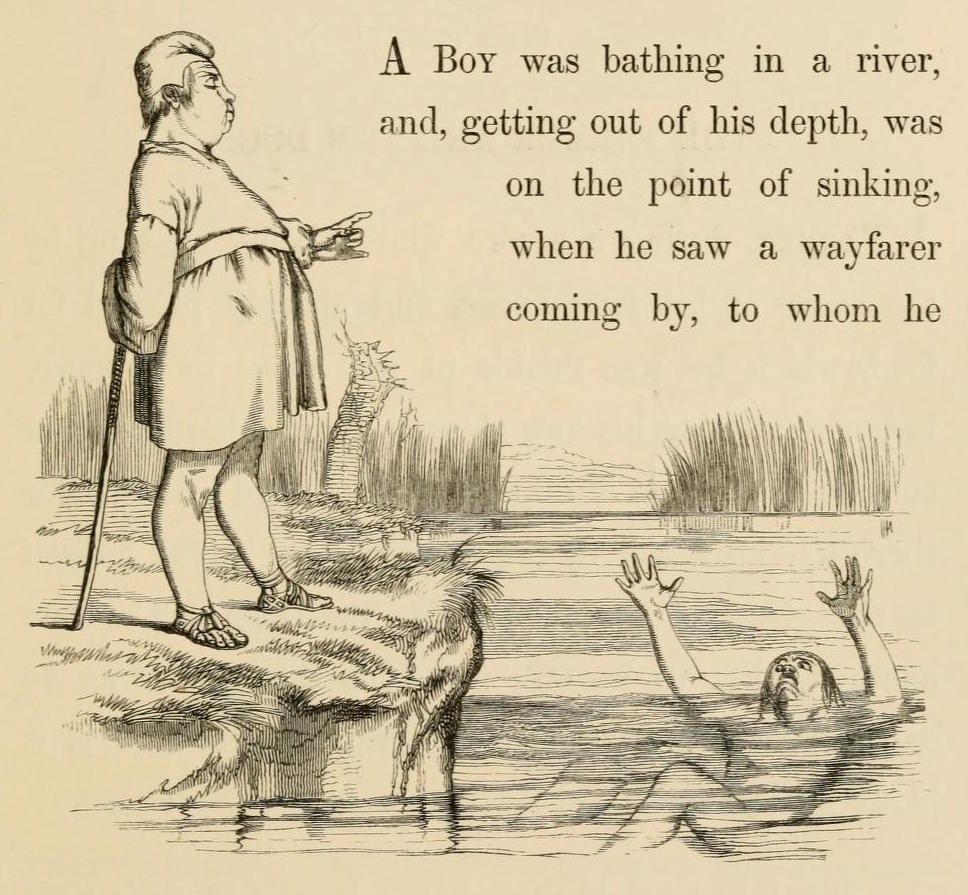
Παῖς λουόμενος ἐν ποταμῷ ἐκινδύνευε πνιγῆναι· καὶ ἰδών τινα παροδίτην ἐπεφώνει, Βοήθησον. Ὁ δὲ ἐμέμφετο τῷ παιδὶ τολμηρίαν. Τὸ δὲ παιδίον εἶπεν, ἀλλὰ νῦν μοι βοήθησον, ὕστερον δὲ σωθέντι μέμφου.

Παῖς 
λουόμενος ἐν ποταμῷ 
ἐκινδύνευε πνιγῆναι· 
καὶ ἰδών 
τινα παροδίτην 
ἐπεφώνει, 
Βοήθησον. 
Ὁ δὲ 
ἐμέμφετο τῷ παιδὶ 
τολμηρίαν. 
Τὸ δὲ παιδίον εἶπεν, 
"ἀλλὰ 
νῦν μοι βοήθησον, 
ὕστερον δὲ 
σωθέντι μέμφου."

Παῖς  ...  a boy, 
λουόμενος ἐν ποταμῷ ...   bathing in a river, 
ἐκινδύνευε πνιγῆναι ...   was in danger of drowning, 
καὶ ...   and, 
ἰδών τινα παροδίτην ...   having seen a passerby, 
ἐπεφώνει "Βοήθησον ...   he shouted, "help!" 
Ὁ δὲ ...   but the passerby 
ἐμέμφετο τῷ παιδὶ ...   criticized the boy 
τολμηρίαν ...   for his recklessness. 
Τὸ δὲ παιδίον εἶπεν ...   and the child said, 
"ἀλλὰ νῦν μοι βοήθησον ...   but now  help me, 
ὕστερον δὲ μέμφου ...   and then criticize 
σωθέντι me [when I've been] ...   rescued."


Κύων θηρευτικὸς λέοντα ἰδων, τοῦτον ἐδίωκεν. Ὡς δὲ ἐπιστραφεὶς ἐκεῖνος ἐβρυχήσατο, ὁ κύων φοβηθεὶς εἰς τὰ ὀπίσω ἔφυγεν. Ἀλώπηξ δὲ θεασαμένη αὐτὸν ἔφη· Ὦ κακὴ κεφαλή, σὺ λέοντα ἐδίωκες, οὗτινος οὐδὲ τὸν βρυχηθμὸν ὑπήνεγκας.

Κύων θηρευτικὸς, 
λέοντα ἰδων, 
τοῦτον ἐδίωκεν. 
Ὡς δὲ ἐπιστραφεὶς 
ἐκεῖνος ἐβρυχήσατο, 
ὁ κύων 
φοβηθεὶς 
εἰς τὰ ὀπίσω ἔφυγεν. 
Ἀλώπηξ δὲ 
θεασαμένη αὐτὸν 
ἔφη· 
Ὦ κακὴ κεφαλή, 
σὺ λέοντα ἐδίωκες, 
οὗτινος τὸν βρυχηθμὸν 
οὐδὲ ὑπήνεγκας!

Κύων θηρευτικὸς  ...  a hunting dog, 
λέοντα ἰδων  ...  having seen a lion, 
τοῦτον ἐδίωκεν  ...  chased him. 
Ὡς δὲ ἐκεῖνος  ...  And as he [the lion], 
ἐπιστραφεὶς  ...  having turned upon him, 
ἐβρυχήσατο  ...  roared, 
ὁ κύων φοβηθεὶς  ...  the dog, terrified,
ἔφυγεν εἰς τὰ ὀπίσω  ...  he fled backwards. 
Ἀλώπηξ δὲ ἔφη  ...  And the fox said, 
θεασαμένη αὐτὸν  ...  when she saw him,
"Ὦ κακὴ κεφαλή  ...  O wretched creature, 
σὺ λέοντα ἐδίωκες  ...  you chased a lion, 
οὗτινος βρυχηθμὸν  ...  whose roar 
οὐδὲ τὸν ὑπήνεγκας  ...  you couldn't stand!"


Λύκος ἀμνὸν ἐδίωκεν. Ὃ δὲ εἰς ναὸν κατέφυγε. Προσκαλουμένου δὲ τοῦ λύκου τὸν ἀμνὸν, καὶ λέγοντος ὅτι θυσιάσει αὐτὸν ὁ ἱερεὺς τῷ θεῷ, ἐκεῖνος ἔφη πρὸς αὐτόν· ἀλλ' αἱρετώτερόν μοί ἐστι θεῷ θυσίαν εἶναι ἢ ὑπό σοῦ διαφθαρῆναι.

Λύκος
ἀμνὸν ἐδίωκεν. 
Ὃ δὲ 
εἰς ναὸν κατέφυγε. 
Προσκαλουμένου δὲ τοῦ λύκου 
τὸν ἀμνὸν, 
καὶ λέγοντος ὅτι 
θυσιάσει αὐτὸν ὁ ἱερεὺς 
τῷ θεῷ, 
ἐκεῖνος 
ἔφη πρὸς αὐτόν· 
"ἀλλ' αἱρετώτερόν μοί ἐστι 
θεῷ θυσίαν εἶναι
ἢ ὑπό σοῦ διαφθαρῆναι."

Λύκος ἀμνὸν ἐδίωκεν  ...  a wolf pursued a lamb.
 Ὃ δὲ  ...  he [the lamb] 
κατέφυγε εἰς ναὸν  ...  fled into a temple. 
Τοῦ λύκου δὲ  ...  And when the wolf 
προσκαλουμένου τὸν ἀμνὸν  ...  called the lamb 
καὶ λέγοντος ὅτι  ...  and said that 
ὁ ἱερεὺς  ...  the priest 
θυσιάσει αὐτὸν  ...  would sacrifice [him] 
τῷ θεῷ  ...  to the god, 
ἐκεῖνος ἔφη πρὸς αὐτόν  ...  he said to him, 
"ἀλλ' μοί αἱρετώτερόν ἐστι  ...  but I'd rather
εἶναι θυσίανa θεῷ  ...  be a sacrifice for god 
ἢ διαφθαρῆναι  ...  than be killed 
ὑπό σοῦ  ...  by you."


And here's a random proverb and a random LOLCat too :


Click here to subscribe/unsubscribe to the email list.


Wednesday, January 1, 2025

Daily Greek Vocabulary Challenge: Jan. 2

Here are today's vocabulary words from some proverbs you have seen before; this is Group 131. Click on the word to learn more at Logeion:

εὔχομαι ~ εὔξομαι ~ εὐξάμην: pray, vow 
ἐλαύνω ~ ἐλάω ~ ἤλασα:  drive, set in motion 
ταράττω ~ ταράξω ~ ἐτάραξον:  disturb, trouble 
μίγνυμι ~ μίξω ~ ἔμιξα:  mix, join 
ἀφαιρέω ~ ἀφαιρήσω ~ ἄφειλον:  take away 

These are the proverbs (and there are always more proverbs at the blog):

Εὔχου δυνατά.
Μία μάστιξ πάντας ἐλαύνει.
Μὴ μοῦ τοὺς κύκλους τάραττε.
Ἐμοῦ θανόντος γαῖα μιχθήτω πυρί.
Τόπων μεταβολαὶ οὔτε φρόνησιν διδάσκουσιν οὔτε ἀφροσύνην ἀφαιροῦνται.


And now, some commentary:

Εὔχου δυνατά.
Pray for things that are possible.
The verb εὔχου is a middle imperative from the deponent verb εὔχομαι; like many middle verbs it can still take a direct object: δυνατά, an adjective being used here as a noun, "possible (things)." This is another of the maxims attributed by Stobaeus to the Seven Sages.

Μία μάστιξ πάντας ἐλαύνει.
One whip drives them all.
This proverb depends on the contrast between the single whip, μία, and πάντας, all whom the whip drives, i.e. πάντας βόες, all the cattle, all the horses, etc. (or all the human slaves). Erasmus explains that the saying can also be used to refer to work that is going well, nearly running of its own accord, so that only a single nudge is needed to keep things moving along. He also suggests that the single whip could refer to a shared motivation that drives people's actions, such as love, hate, a desire for gain, etc. Note that the feminine μία looks quite different than the masculine and neuter forms, εἷς and ἕν.

Μὴ μοῦ τοὺς κύκλους τάραττε.
Don't disturb my circles.
These were supposedly the last words of Archimedes. The Romans had conquered the city of Syracuse, and when a Roman soldier entered Archimedes' house, Archimedes, who was working on a geometry problem, supposedly shouted these words at him; you can read more at Wikipedia: Noli turbare circulos meos. Archimedes and the Siege of Syracuse made their way into the latest Indiana Jones movie!

Ἐμοῦ θανόντος γαῖα μιχθήτω πυρί.
When I die, let the earth be mixed with fire.
The opening words, ἐμοῦ θανόντος, are a genitive absolute, the idea being that once I'm dead, it doesn't matter to me what happens; the earth might as well burn to ashes for all I care. The words are the first line of an iambic couplet from the Greek Anthology; the second line is: οὐδὲν μέλει μοι· τἀμὰ γὰρ καλῶς ἔχει, "It doesn't matter at all to me, for my situation (τὰ ἐμά, "my stuff") is just fine." The saying was quoted by the Emperor Tiberius, and this callous and self-centered sentiment certainly suits him.

Τόπων μεταβολαὶ οὔτε φρόνησιν διδάσκουσιν οὔτε ἀφροσύνην ἀφαιροῦνται.
Changes of place(s) do not teach wisdom nor do they remove folly. 
In other words, you can't just run away from who you are. The words φρόνησιν and ἀφροσύνην share the same root; ἀφροσύνη is from ἄ-φρον-, "not-wise," i.e. folly. From Greek μεταβολή we get the English word metabolism, i.e. the changes and alterations in body chemistry that sustain life.


And here's a random proverb and a random LOLCat too :


Click here to subscribe/unsubscribe to the email list.


Tuesday, December 31, 2024

Aesop's Fables 2

Here are some more fables to start your New Year! These also come from Anthon's Greek Reader of 1844. You can click on the title of each story to access the notes in the book for that story, and it has a dictionary in the back.


Γεωργὸς χειμῶνος ὥρᾳ ὄφιν εὑρὼν ὑπὸ κρύους πεπηγότα, τοῦτον λαβὼν ὑπὸ κόλπον κατἔθετο. Θερμανθεὶς δὲ ἐκεῖνος καὶ ἀναλαβὼν τὴν ἰδίαν φύσιν, ἔπληξε τὸν εὐεργέτην.

Γεωργὸς 
χειμῶνος ὥρᾳ 
ὄφιν εὑρὼν 
ὑπὸ κρύους πεπηγότα, 
τοῦτον λαβὼν 
ὑπὸ κόλπον κατἔθετο. 
Θερμανθεὶς δὲ ἐκεῖνος 
καὶ ἀναλαβὼν τὴν ἰδίαν φύσιν, 
ἔπληξε τὸν εὐεργέτην.

Χειμῶνος ὥρᾳ  ...  during winter time, 
γεωργὸς  ...  a farmer, 
εὑρὼν ὄφιν  ...  having found a snake 
πεπηγότα ὑπὸ κρύους  ...  stiffened by the frost, 
λαβὼν  ...  [and] having seized him, 
κατἔθετο τοῦτον  ...  put him 
ὑπὸ κόλπον  ...  into the fold [of his cloak]. 
 Ἐκεῖνος δὲ  ...  and he [the snake], 
θερμανθεὶς  ...  having been warmed 
καὶ ἀναλαβὼν  ...  and having recovered 
τὴν ἰδίαν φύσιν  ...  his own nature, 
ἔπληξε τὸν εὐεργέτην  ...  struck his benefactor.

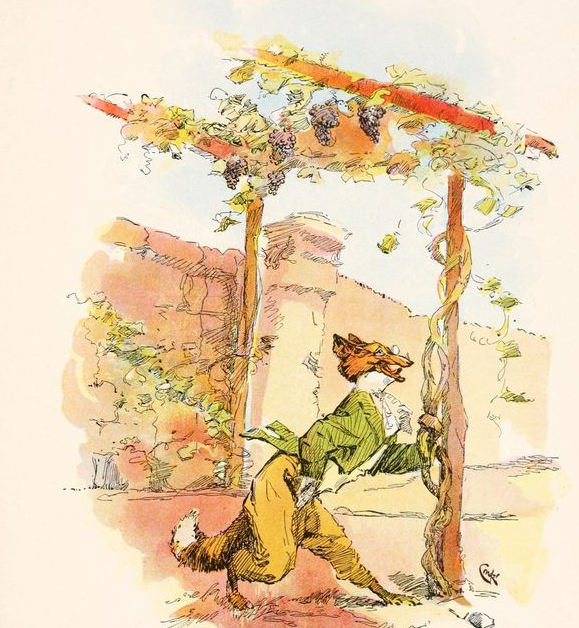
5. Ἀλώπηξ καὶ βότρυες 

Βότρυας πεπείρους ἀλώπηξ κρεμαμένους ἰδοῦσα, τούτους ἐπειρᾶτο καταφαγεῖν. Πολλὰ δὲ καμοῦσα καὶ μὴ δυνηθεῖσα ψαῦσαι, τὴν λύπην παραμυθουμένη ἔλεγεν· Ὄμφακες ἔτι εἰσίν.

Βότρυας πεπείρους 
ἀλώπηξ 
κρεμαμένους ἰδοῦσα, 
τούτους ἐπειρᾶτο καταφαγεῖν. 
Πολλὰ δὲ καμοῦσα 
καὶ μὴ δυνηθεῖσα ψαῦσαι, 
τὴν λύπην παραμυθουμένη 
ἔλεγεν·
"Ὄμφακες ἔτι εἰσίν."

Ἀλώπηξ  ...  a fox, 
ἰδοῦσα   ...  having seen 
βότρυας πεπείρους   ...  some ripe grapes 
κρεμαμένους   ...  hanging down, 
ἐπειρᾶτο τούτους καταφαγεῖν   ...  tried to devour them. 
Καμοῦσα δὲ πολλὰ   ...  But having worked hard 
καὶ μὴ δυνηθεῖσα ψαῦσαι   ...  and not being able to touch [them], 
ἔλεγεν   ...  she said, 
παραμυθουμένη τὴν λύπην   ...  comforting her disappointment, 
"εἰσίν ἔτι όμφακες   ...  they are still unripe."

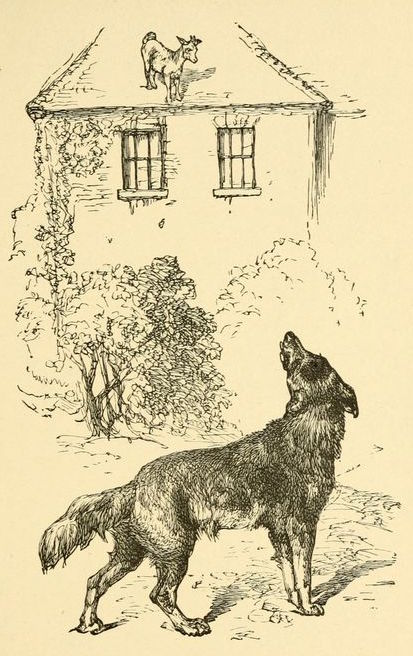
6. Ἔριφος καὶ λύκος

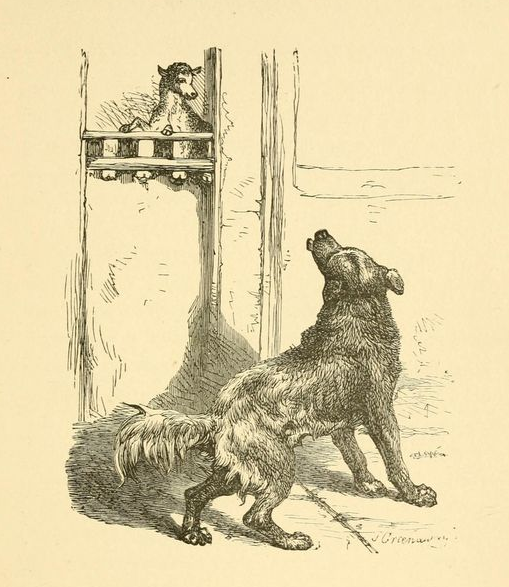
Ἔριφος ἐπί τινος δώματος ἑστὼς, ἐπειδὴ λύκον παριόντα εἶδεν, ἐλοιδόρει καὶ ἔσκωπτεν αὐτόν. Ὁ δὲ λύκος ἔφη· ὦ οὗτος, οὐ σύ με λοιδορεῖς, ἀλλ᾿ ὁ τόπος.

Ἔριφος
ἐπί τινος δώματος
ἑστὼς,
ἐπειδὴ
λύκον παριόντα
εἶδεν,
ἐλοιδόρει
καὶ ἔσκωπτεν αὐτόν.
Ὁ δὲ λύκος ἔφη·
"ὦ οὗτος,
οὐ σύ με λοιδορεῖς,
ἀλλ᾿ ὁ τόπος."

Ἔριφος ... a kid,
ἑστὼς ἐπί τινος δώματος ... having stood upon a rooftop,
ἐπειδὴ εἶδεν λύκον ... when he saw a wolf
παριόντα ... passing by,
ἐλοιδόρει ... he insulted
καὶ ἔσκωπτεν αὐτόν ... and mocked him.
Ὁ δὲ λύκος ἔφη ... and the wolf said,
"ὦ οὗτος ... you so-and-so;
οὐ σύ με λοιδορεῖς ... it is not you insulting me,
ἀλλ᾿ ὁ τόπος ... but your position."


And here's a random proverb and a random LOLCat too :


Click here to subscribe/unsubscribe to the email list.


Monday, December 30, 2024

Greek Proverb Review: December 31

I hope you enjoyed the little stories yesterday! For today, I've created a new review slideshow for Groups 116, 117, and 118. Here's the post with the details about how the slideshows work, and there's a random cat at the bottom of the post! Plus more cats.

The slideshow is embedded in the blog post, and you can also access today's slideshow directly, full-sized view. And remember: each time you see the English translation on a slide, you can click to access the original blog post with the notes for each proverb.


These are the proverbs, linked back to their blog posts:

Sunday, December 29, 2024

Aesop's Fables 1: December 30

For the New Year, I'm reviving a new project here. As you may have noticed, this blog was originally intended for materials from old Greek textbooks for beginning students. I started that project because there is a lack of easy Greek to read. Most contemporary Greek textbooks rush into presenting students with really hard classical authors instead of easy-to-read stories. In the past, however, there was not such a rush. Students began learning Greek at a younger age, which meant they had time to develop their skills over many years, unlike the breakneck pace of college Greek classes nowadays, where students might spend just a few semesters studying Greek.

I got happily sidetracked into the Greek proverb project, but in 2025 I want to get back to the original project of collecting easy-to-read Greek stories from the old textbooks, alternating story posts with proverb posts. So, each week there will be story posts for Monday, Wednesday, and Friday, and proverb posts on Tuesday, Thursday, and Saturday, with a round-up on Sundays.

I'll start with Aesop's fables, then move on to the jokes from the Philogelos, and then do some mythology. The Aesop's fables are very short, so I'll be able to include 3 of them in each post. 

So, below you will find the first 3 Aesop's fables. These happen to come from Anthon's Greek Reader, published in 1844, which has notes for each story and a complete dictionary in the back of the book. You can use the linked titles below to access the notes for each story.

As you'll see, I present the story in normal Greek prose, then segmented, and then with an interwoven English translation. I hope this will make it easy to use the stories on your own, and without too much recourse to a dictionary, unless of course you are curious about the etymology or the specific meaning of a particular Greek word beyond what I've suggested in my translation. Enjoy!


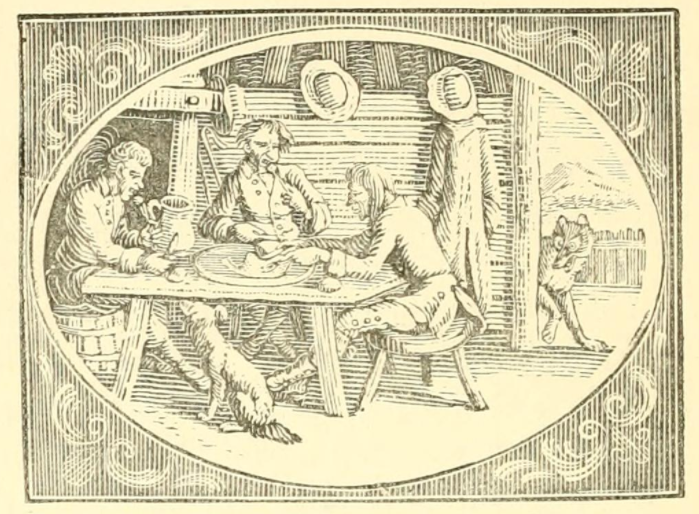
Λύκος, ἰδὼν ποιμένας ἐσθίοντας ἐν σκηνῇ πρόβατον,  ἐγγὺς προσελθὼν, ἡλίκος ἔφη ἂν ἦν θόρυβος, εἰ ἐγὼ τοῦτο ἐποίουν.

Λύκος 
ἰδὼν ποιμένας 
ἐσθίοντας ἐν σκηνῇ πρόβατον, 
ἐγγὺς προσελθὼν 
ἡλίκος (ἔφη) ἂν ἦν θόρυβος, 
εἰ ἐγὼ τοῦτο ἐποίουν.

Λύκος  ...  a wolf, 
ἰδὼν ποιμένας  ...  having seen shepherds 
ἐν σκηνῇ  ...  in their tent 
ἐσθίοντας πρόβατον  ...  eating a sheep, 
προσελθὼν ἐγγὺς  ...  having drawn near, 
ἔφη  ...  said, 
"ἡλίκος θόρυβος  ...  how great an uproar 
ἂν ἦν  ...  there would be 
εἰ ἐγὼ ἐποίουν τοῦτο  ...  if I did that."


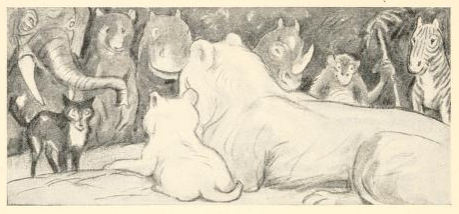
Λέαινα, ὀνειδιζομένη ὑπὸ ἀλώπεκος ἐπὶ τὸ διὰ παντὸς ἕνα τίκτειν, ἕνα, ἔφη, ἀλλὰ λέοντα.

Λέαινα, 
ὀνειδιζομένη ὑπὸ ἀλώπεκος
ἐπὶ τὸ ἕνα τίκτειν
διὰ παντὸς [χρόνου],
"ἕνα (ἔφη), ἀλλὰ λέοντα."

Λέαινα  ...  a lioness, 
ὀνειδιζομένη ὑπὸ ἀλώπεκος  ...  chided by a fox 
ἐπὶ τὸ τίκτειν  ...  for giving birth to 
ἕνα  ...  one [cub only] 
διὰ παντὸς  ...  every time, 
ἔφη  ...  said, 
"ἕνα  ...  one, 
ἀλλὰ λέοντα  ...  but [that one is] a lion."


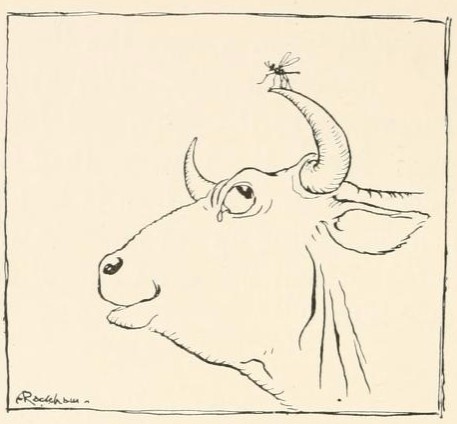
Κώνωψ επί κέρατος βοὸς εκαθέσθη καὶ ηὔλει· εἶπε δὲ πρὸς τὸν βοῦν, εἰ βαρῶ σου τὸν τένοντα, ἀναχωρήσω. Ὁ δὲ ἔφη, οὔτε ὅτε ἥλθες ἔγνων, οὔτε ἐὰν μένῃς, μελήσει μοι.

Κώνωψ 
επί κέρατος βοὸς 
εκαθέσθη 
καὶ ηὔλει· 
εἶπε δὲ 
πρὸς τὸν βοῦν, 
"εἰ βαρῶ 
σου τὸν τένοντα, 
ἀναχωρήσω."
Ὁ δὲ ἔφη, 
"οὔτε ὅτε ἥλθες 
ἔγνων, 
οὔτε ἐὰν μένῃς, 
μελήσει μοι."

Κώνωψ εκαθέσθη  ...  a gnat settled down 
επί κέρατος βοὸς  ...  on the horn of an ox 
καὶ ηὔλει  ...  and played his pipe; 
εἶπε δὲ πρὸς τὸν βοῦν  ...  then he said to the ox, 
"εἰ βαρῶ  ...  If I am weighing down 
σου τὸν τένοντα  ...  your neck-tendon, 
ἀναχωρήσω  ...  I will go away." 
Ὁ δὲ ἔφη  ...  and the ox said, 
"οὔτε ἔγνων  ...  I didn't notice 
ὅτε ἥλθες  ...  when you arived, 
οὔτε μελήσει μοι  ...  nor will it matter to me 
ἐὰν μένῃς  ...  if you stay."


And here's a random proverb and a random LOLCat too :


Click here to subscribe/unsubscribe to the email list.